
Almost everyone snores occasionally, especially after a long day or a heavy meal. But when snoring becomes loud, nightly, and is followed by gasping or silent pauses in breathing, it may not be simple snoring at all.
This is often the first clue that points to sleep apnea treatment in Dhaka searches climbing every year, as more people start to notice that their tiredness, headaches, and poor concentration are not just about a bad night’s sleep. The tricky part is telling the difference between harmless snoring and something that genuinely needs an ENT specialist’s attention.
This guide breaks down the real signs of sleep apnea, what causes it, and exactly when it is time to book a consultation rather than keep hoping it will pass.
Why Snoring Should Never Be Ignored
Snoring happens when air struggles to move freely through the throat and nose during sleep, causing the surrounding tissue to vibrate. Occasional, quiet snoring is usually harmless. The concern starts when snoring becomes loud, frequent, and accompanied by actual pauses in breathing.
Left unaddressed, obstructive sleep apnea can raise the risk of high blood pressure, heart disease, diabetes, and stroke over time. It also affects everyday life, through daytime fatigue, poor concentration, mood changes, and disturbed sleep for both the patient and anyone sharing the room.
This is exactly why loud, chronic snoring deserves a proper look rather than being treated as a harmless habit.
What Is Sleep Apnea, Exactly?
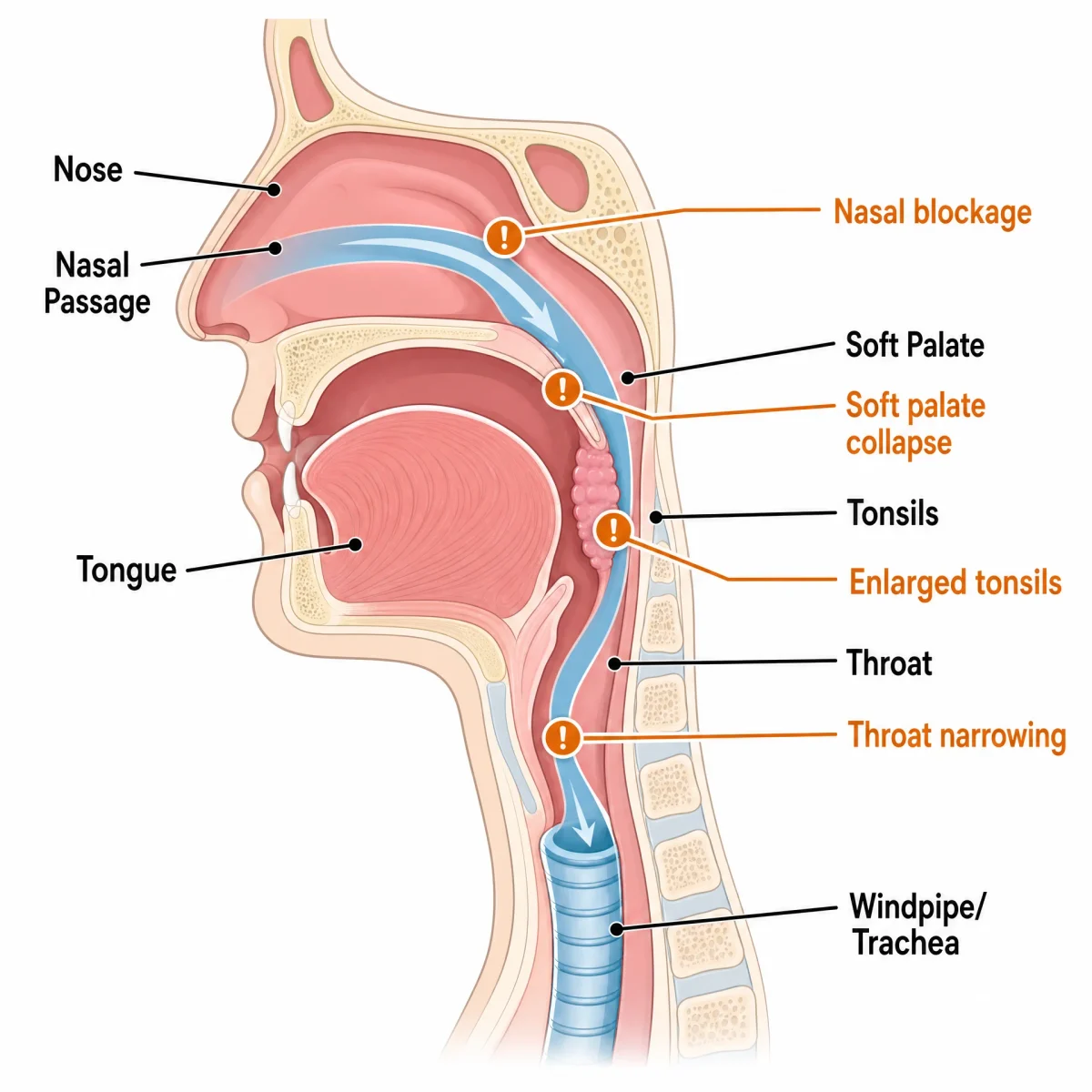
Sleep apnea is a condition where breathing is repeatedly interrupted during sleep. The most common type, obstructive sleep apnea (OSA), happens when the airway becomes partially or fully blocked, often because throat muscles relax too much, tonsils or adenoids are enlarged, or the nasal passage is obstructed.
Each pause in breathing, even if it lasts only a few seconds, briefly wakes the brain to restart breathing. This can happen dozens or even hundreds of times a night without the person ever fully realising it.
7 Signs You May Have Sleep Apnea, Not Just Snoring
Not every snorer has sleep apnea. But certain patterns are strong indicators that it is time for a proper ENT evaluation.
1. Loud, Chronic Snoring
Snoring that is loud enough to be heard through walls, and happens most nights rather than occasionally, is one of the most common signs of obstructive sleep apnea.
2. Witnessed Pauses in Breathing
If a partner or family member notices you stop breathing, gasp, or choke during sleep, this is one of the clearest signs that snoring has crossed into sleep apnea territory.
3. Excessive Daytime Fatigue
Feeling exhausted despite a full night in bed, or struggling to stay awake during the day, points to sleep that is being repeatedly interrupted, even if you do not remember waking up.
4. Morning Headaches
Waking up with a dull headache most mornings can be linked to the drops in oxygen that happen during repeated breathing pauses overnight.
5. Difficulty Concentrating or Irritability
Poor sleep quality affects memory, focus, and mood. Many people attribute this to stress or work pressure, without realising broken sleep may be the real cause.
6. Waking Up Gasping or Choking
Waking suddenly with a sensation of gasping for air is a direct sign that the airway was blocked and the body had to fight to breathe again.
7. A Dry Mouth or Sore Throat on Waking
Breathing through the mouth to compensate for a blocked nasal passage overnight often leaves the mouth and throat dry by morning.
If two or more of these apply to you regularly, it is worth booking a consultation for a proper sleep and airway evaluation rather than continuing to manage it with home remedies.
What Causes Sleep Apnea?
Several factors can contribute to a blocked or narrowed airway during sleep:
- Enlarged tonsils or adenoids, especially common in children
- A deviated septum or other structural nasal blockage
- Excess tissue in the throat or soft palate
- Relaxed throat muscles, which can worsen with age or weight gain
- Nasal congestion or allergies that narrow the airway further
An ENT evaluation helps identify exactly which of these is contributing to your symptoms, since the right treatment depends on the underlying cause. In children, this is often linked to the same issues seen in pediatric ENT cases, while in adults a deviated septum or nasal blockage is a common contributing factor.
When Should You See an ENT Specialist?
There is no need to wait until sleep apnea starts affecting your health in bigger ways. A good rule of thumb: if loud snoring is a regular occurrence, or someone has noticed you pausing or gasping during sleep, it is time for a specialist opinion.
Prof. Dr. Zaheer Al-Amin, a Dhaka-based ENT specialist with over 35 years of experience, regularly sees patients who assumed their snoring was harmless for years before finally seeking a proper evaluation. Identifying the cause early, whether it is nasal, throat, or tonsil-related, usually means simpler and more effective treatment.
Treatment Options for Sleep Apnea
Not everyone with sleep apnea needs surgery. Treatment is usually matched to the cause and severity of the condition.
Non-Surgical Options
For milder cases, lifestyle changes such as weight management, sleeping position changes, and treating nasal allergies can meaningfully reduce symptoms. Devices such as CPAP machines, which keep the airway open with gentle air pressure, are also commonly used and can be highly effective for many patients.
When Surgery Becomes the Right Option
Surgery is generally considered when non-surgical treatments have not worked, or when a clear structural cause, such as enlarged tonsils, a deviated septum, or excess soft palate tissue, is directly blocking the airway. Snoring and sleep apnea surgery focuses on removing or correcting that obstruction to improve airflow during sleep. Depending on the cause, this can involve procedures on the nose, throat, or both.
Sleep Apnea: What to Expect at Each Stage
| Stage | What Happens | Typical Timeframe |
|---|---|---|
| Initial ENT consultation | Airway and throat examination, symptom history | First visit |
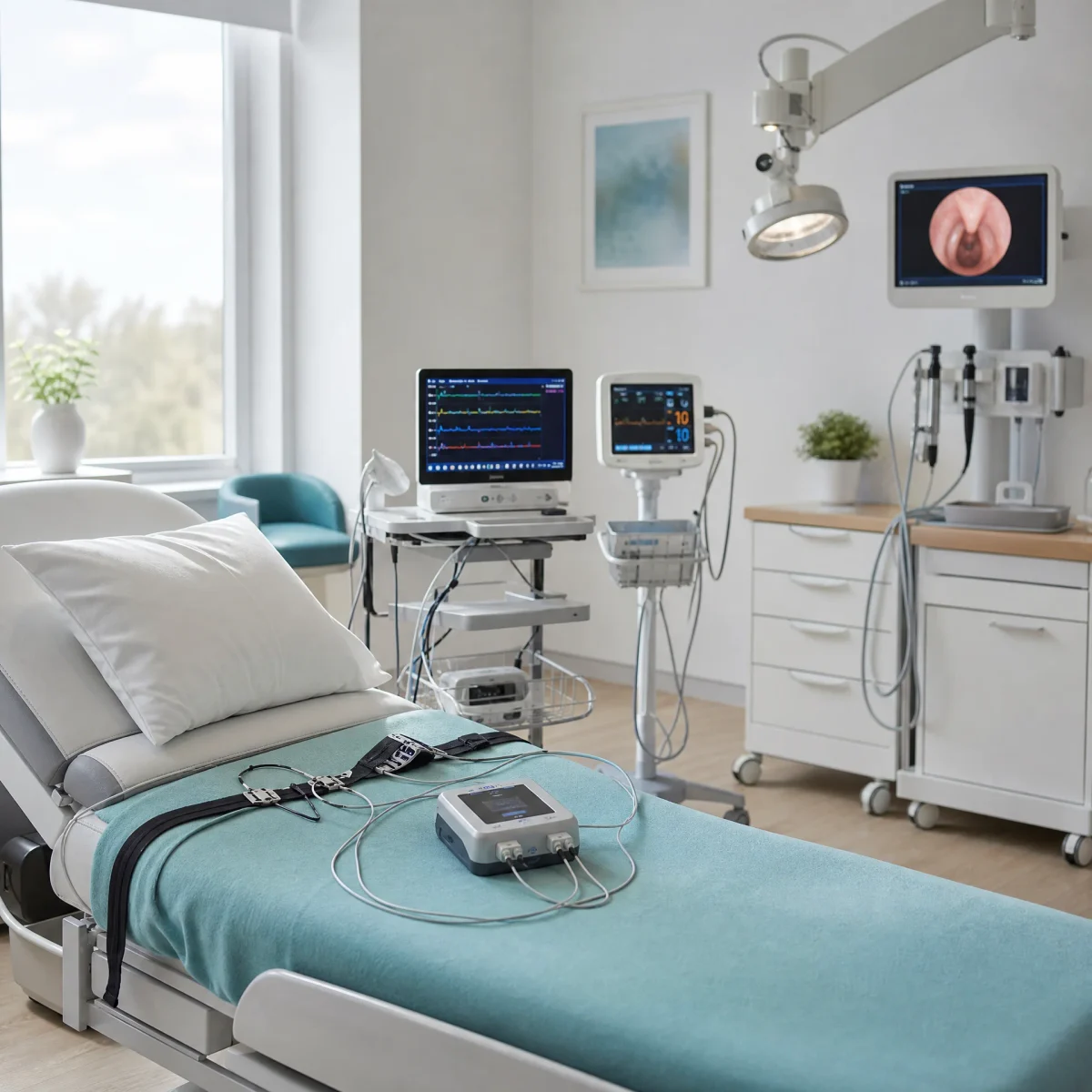
| Sleep study | Breathing, oxygen, and airway data collected overnight | Within 1-2 weeks |
| Diagnosis review | Results discussed, treatment plan proposed | Following visit |
| Non-surgical trial | CPAP or lifestyle changes attempted first, if suitable | 4-8 weeks |
| Surgery (if needed) | Procedure to correct structural blockage | Based on findings |
| Recovery | Rest, follow-up, and symptom monitoring | 1-3 weeks |
| Improvement | Better breathing, reduced snoring, improved sleep quality | Weeks to a few months |
Common Mistakes People Make With Sleep Apnea
- Assuming it is “just snoring.” Loud, chronic snoring with breathing pauses is rarely something to ignore long-term.
- Relying only on home remedies. Nasal strips or sleeping position changes can help mild cases but will not fix a structural blockage.
- Delaying a proper evaluation. Many patients live with symptoms for years before seeking an ENT opinion, often after health complications have already started.
- Skipping the sleep study. Symptoms alone do not confirm severity. A sleep study gives the specialist the data needed for the right treatment plan.
- Assuming children cannot have sleep apnea. Loud snoring, restless sleep, and enlarged tonsils or adenoids in children are common causes and are very treatable.
Frequently Asked Questions
Is snoring always a sign of sleep apnea?
No. Occasional, quiet snoring is common and usually harmless. Loud, chronic snoring with breathing pauses or gasping is what raises concern for sleep apnea.
Can children have sleep apnea?
Yes. Enlarged tonsils or adenoids are a common cause of sleep apnea in children, and it is very treatable once identified.
Do I need a sleep study to confirm sleep apnea?
In most cases, yes. A sleep study provides objective data on breathing pauses and oxygen levels that symptoms alone cannot confirm.
Is surgery always required for sleep apnea?
No. Many patients improve with non-surgical treatment such as CPAP or lifestyle changes. Surgery is considered when there is a clear structural blockage or when other treatments have not worked.
How long does recovery take after sleep apnea surgery?
Recovery varies depending on the specific procedure, but many patients recover within one to three weeks, with a follow-up visit to monitor healing and improvement.
Can untreated sleep apnea affect my heart health?
Yes. Long-term untreated sleep apnea is linked to a higher risk of high blood pressure, heart disease, and stroke, which is why early evaluation matters.
Where can I get evaluated for sleep apnea in Dhaka?
An ENT specialist can perform an airway evaluation and arrange a sleep study to confirm diagnosis and recommend the right treatment for your situation.

Conclusion
Snoring on its own is not always something to worry about, but loud, chronic snoring paired with breathing pauses, daytime fatigue, or morning headaches is worth taking seriously. Sleep apnea treatment in Dhaka has become far more accessible in recent years, with clear diagnostic tools and both surgical and non-surgical options available depending on the cause.
The most useful first step is an honest airway evaluation from an ENT specialist, so you know exactly what is happening and which treatment path genuinely fits your situation.