
A blocked nose that never really clears. A headache that sits behind your eyes for weeks. A sense of smell that feels like it packed up and left months ago.
If any of that sounds familiar, you already know that nasal sprays and antibiotics only go so far. For a growing number of patients in Bangladesh, sinus surgery in Dhaka is the step that finally brings lasting relief, especially when chronic sinusitis keeps coming back no matter what you try.
This guide walks you through the honest signs that surgery might be worth considering, what actually happens during the procedure, and how long recovery genuinely takes, so you can talk to your ENT specialist with realistic expectations rather than guesswork.
Why Chronic Sinus Problems Deserve Proper Attention
Your sinuses are small, air-filled spaces behind your forehead, cheekbones, and eyes. When they work properly, you barely notice them. When they get inflamed or blocked, they can affect your breathing, sleep, concentration, and mood for months at a stretch.
Many patients sinus surgery in Dhaka live with sinus symptoms far longer than they should, often because they assume it is “just allergies” or “just the weather.” Dust, traffic pollution, and seasonal humidity in Dhaka can all make sinus inflammation worse, which is part of why chronic sinusitis is so common here.
The good news is that most sinus issues respond well to medication first. Surgery is usually considered only after other treatments have been given a fair chance and have not worked.
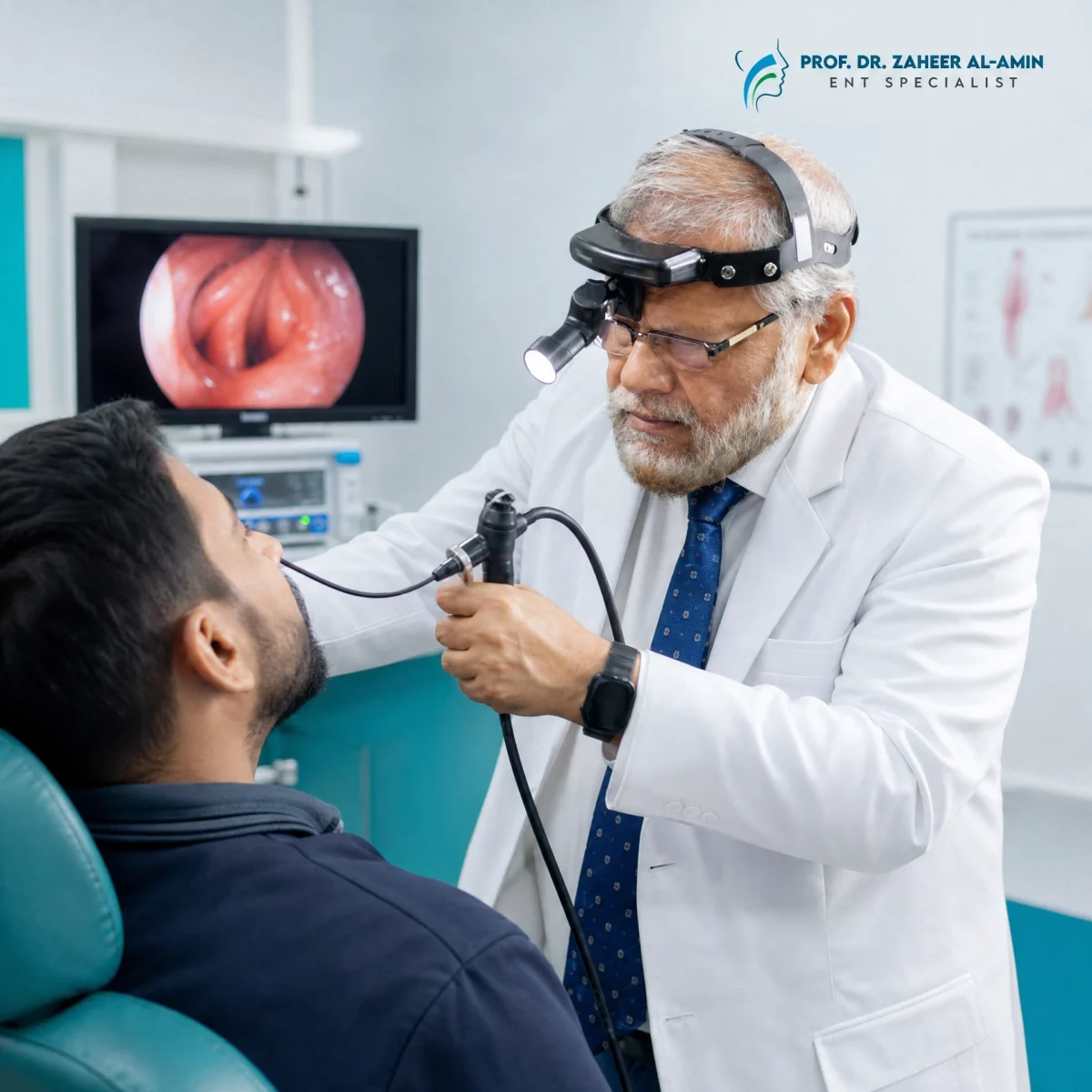
7 Signs You May Need sinus surgery in Dhaka
Not every blocked nose needs an operation. But certain patterns suggest it is time for a proper ENT evaluation rather than another course of antibiotics.
1. Symptoms Lasting Longer Than 12 Weeks
If nasal congestion, facial pressure, or thick discharge has lasted more than three months, this is classed as chronic sinusitis. At this stage, medication alone often struggles to clear the problem for good.
2. Repeated Sinus Infections Each Year
Some patients get four, five, or more sinus infections a year. Each one might respond to antibiotics briefly, only for symptoms to return within weeks. This repeating cycle is one of the clearest signals that the underlying structure of the nose needs attention, not just the infection itself.
3. No Real Improvement After Medical Treatment
If you have already tried nasal steroid sprays, saline rinses, and at least one round of antibiotics, and your symptoms barely shifted, that is meaningful information. Surgery becomes a realistic option once medical treatment has genuinely been given a chance.
4. Nasal Polyps
Nasal polyps are soft, painless growths inside the nasal lining. They can block airflow, dull your sense of smell, and make you feel constantly “bunged up.” Small polyps sometimes shrink with steroid treatment, but larger ones usually need to be removed as part of sinus surgery.
5. A Visibly Blocked or Crooked Nose (Deviated Septum)
If one nostril feels permanently more blocked than the other, or you were told after an injury that your septum is deviated, this structural issue will not fix itself with medication. It often needs septoplasty, sometimes combined with sinus surgery.
6. Facial Pain or Pressure That Won’t Lift
Constant pressure around the forehead, cheeks, or between the eyes, especially pain that gets worse when you bend forward, points to sinus involvement rather than a simple headache.
7. Loss of Smell or Taste That Doesn’t Return
A blocked or inflamed nose can dull smell and taste. If this has continued for weeks despite treatment, it is worth having your sinuses properly examined rather than assuming it will pass.
When Should You See an ENT Specialist?
There is no need to wait until symptoms become unbearable. A good rule of thumb: if your sinus symptoms have lasted more than 10 to 12 weeks, or you are relying on decongestants most days just to breathe comfortably, it is time to see a specialist.
Prof. Dr. Zaheer Al-Amin, a Dhaka-based ENT specialist and surgeon, regularly sees patients who have lived with sinus symptoms for years before finally seeking a proper diagnosis. Getting assessed early usually means simpler treatment and a faster recovery, whether that ends up being medication or surgery.
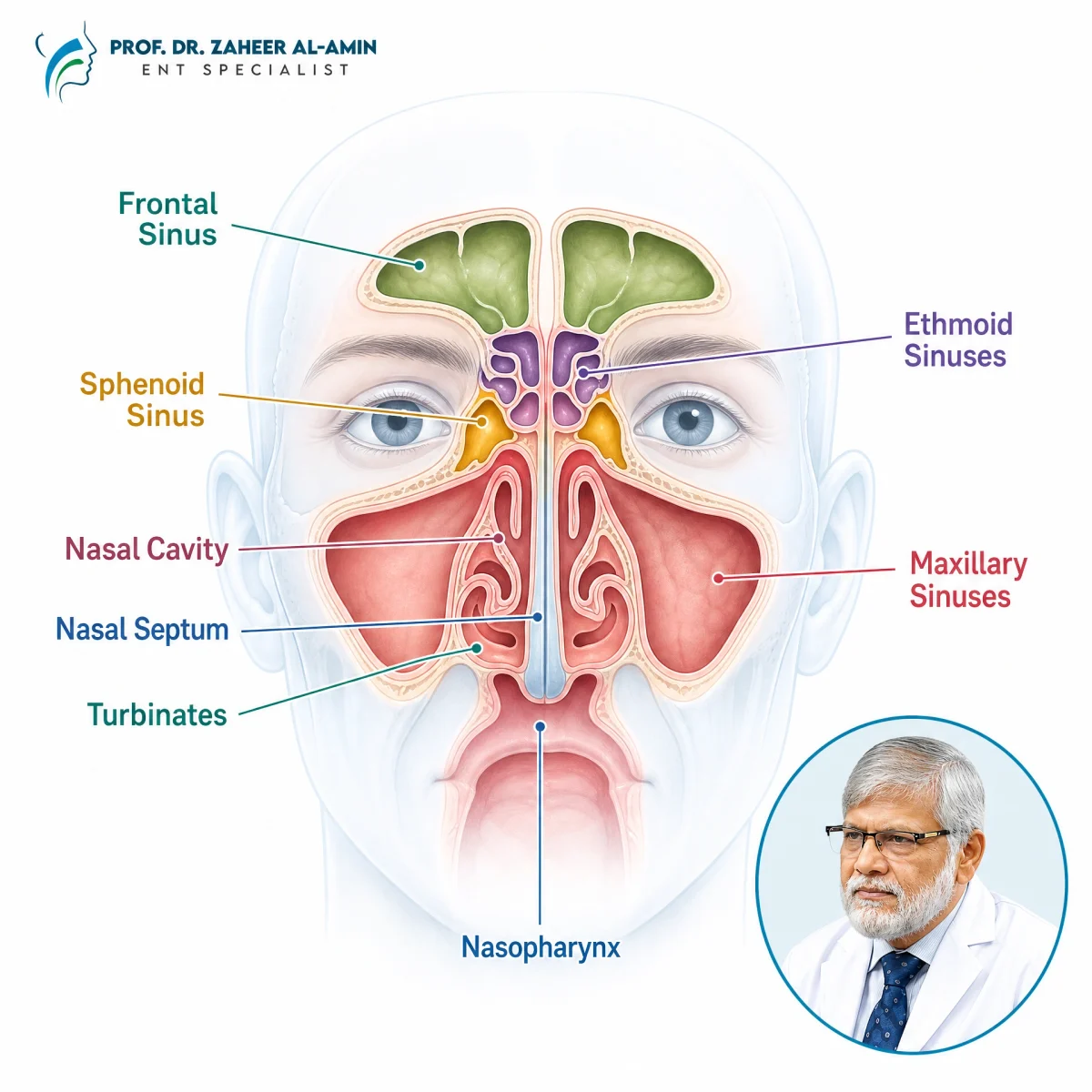
Types of sinus surgery in Dhaka
ENT surgery has moved on considerably from older, more invasive techniques. Most sinus procedures performed in Dhaka today are minimally invasive, meaning no external cuts on the face.
Functional Endoscopic Sinus Surgery (FESS)
FESS is the most common type of sinus surgery in Bangladesh. A thin, lighted telescope called an endoscope is passed through the nostril, allowing the surgeon to see and treat the sinuses from the inside. There are no external scars, and most patients go home the same day or the next day.
Balloon Sinuplasty
This is a gentler alternative for suitable cases. A small balloon is used to widen the blocked sinus opening, similar to how a balloon is used in some heart procedures. It involves less tissue removal and often a shorter recovery, though it is not the right choice for every patient, particularly where polyps are involved.
Septoplasty (Often Combined With Sinus Surgery)
If a deviated septum is contributing to the blockage, septoplasty straightens the nasal partition. It is frequently performed alongside FESS in a single session, so patients only need to go through one recovery period rather than two.
What Does the sinus surgery in Dhaka Procedure Involve?
Understanding each stage helps take away a lot of the anxiety around surgery. Here is what typically happens, step by step.
Step 1: Consultation and Diagnosis
Your ENT specialist will examine your nose using a nasal endoscope and usually request a CT scan of the sinuses. This scan maps out exactly which sinuses are affected and rules out other causes for your symptoms.
Step 2: Pre-Surgery Preparation
You will usually be asked to stop certain blood-thinning medications a week or so before surgery, fast for a few hours beforehand, and arrange for someone to accompany you home afterwards, since the procedure is done under general or local anaesthesia with sedation.
Step 3: The Surgery Itself
Under anaesthesia, the surgeon inserts the endoscope through the nostril, with no cuts on the face. Blocked or diseased tissue, polyps, or narrowed passages are carefully cleared to restore proper drainage and airflow. Most FESS procedures take between 45 minutes and two hours, depending on how many sinuses are involved.
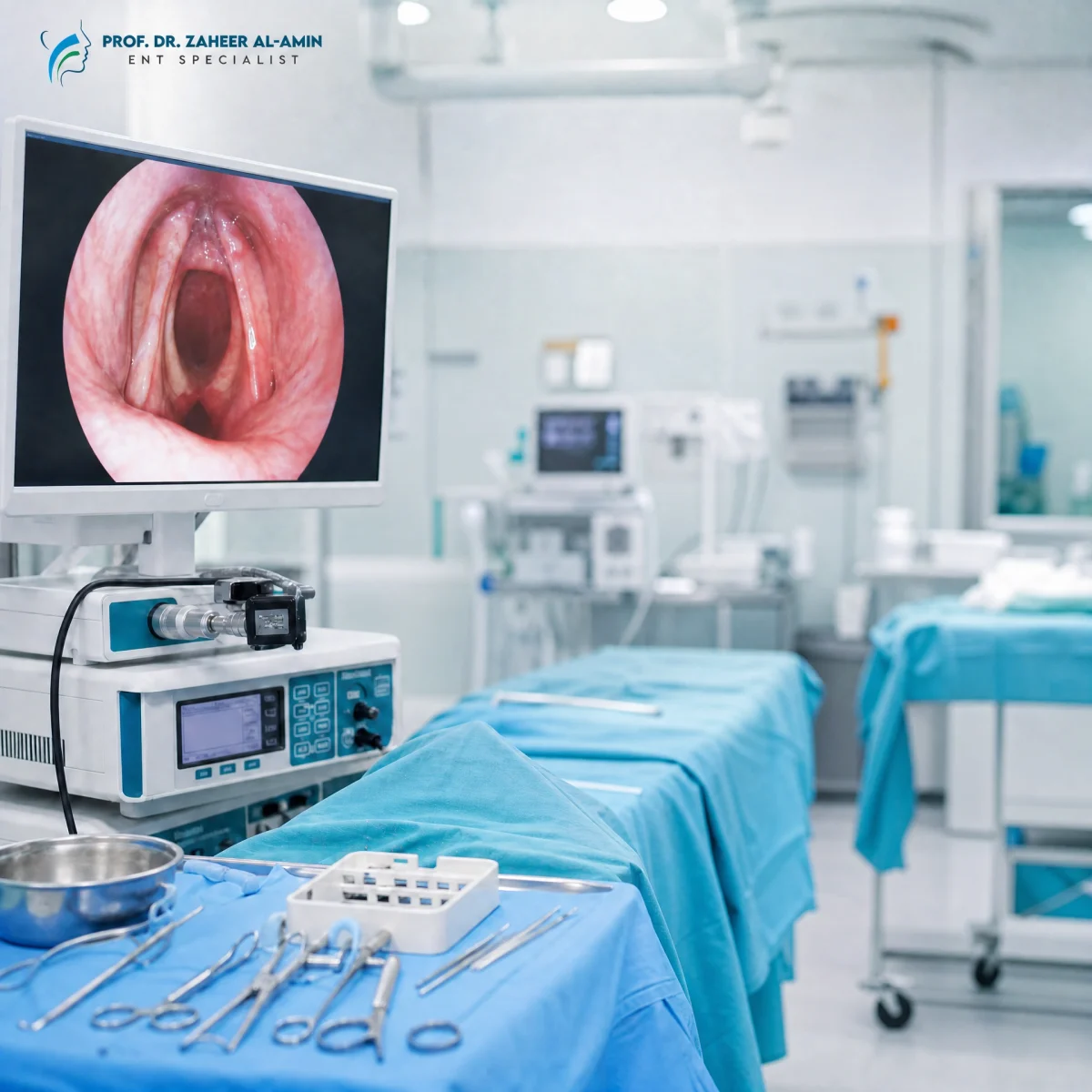
Step 4: Immediate Post-Operative Care
You will spend a short time in recovery as the anaesthesia wears off. Nasal packing or soft splints may be used for a day or two to support the tissue while it begins to heal.
Step 5: Discharge and Follow-Up
Most patients are discharged the same day or the following morning, with a follow-up visit scheduled about a week later so your surgeon can clean the nasal passages and check on healing.
Sinus Surgery Timeline: What to Expect at Each Stage
| Stage | What Happens | Typical Timeframe |
|---|---|---|
| Consultation & CT scan | Diagnosis confirmed, surgery planned | 1–2 weeks before surgery |
| Day of surgery | FESS or balloon sinuplasty performed | 45 minutes–2 hours |
| First 48 hours | Rest, mild bleeding, nasal packing removed | Days 1–2 |
| Early recovery | Congestion, swelling, saline rinses begin | Days 3–7 |
| First follow-up | Nasal cleaning, crust removal by surgeon | Around day 7–10 |
| Return to work | Light duties resume for most patients | Week 2 |
| Full recovery | Sinuses fully healed, normal breathing | 4–6 weeks |
Recovery Time After sinus surgery in Dhaka: What to Expect
Recovery varies from person to person, but most patients follow a fairly predictable pattern.
The first few days bring some nasal congestion, mild discomfort, and light blood-tinged discharge, which is normal. Pain is usually manageable with the medication your surgeon prescribes.
Week one is about rest and gentle nasal care. Saline rinses become important here, helping to keep the nasal passages clean as they heal. Most patients can return to light daily activities within a few days, though strenuous exercise and heavy lifting should wait.
Week two is when most people feel noticeably better and can return to desk-based work, provided their surgeon confirms it is safe to do so.
By four to six weeks, the sinus lining has generally finished healing, and most patients notice a real, lasting improvement in breathing, sleep, and sense of smell compared with before surgery.

Frequently Asked Questions
Is sinus surgery painful?
Most patients describe more pressure and congestion than sharp pain. Prescribed pain relief usually manages any discomfort well during the first few days.
How long does sinus surgery take?
Functional endoscopic sinus surgery (FESS) typically takes 45 minutes to two hours, depending on how many sinuses need treatment.
Will I need to stay overnight in hospital?
Many patients go home the same day. Some stay one night for observation, depending on the extent of surgery and the anaesthesia used.
How soon can I go back to work after sinus surgery?
Most patients return to desk-based work within one to two weeks. Physically demanding jobs may need a slightly longer break.
Does sinus surgery leave any visible scars?
No. Functional endoscopic sinus surgery is performed entirely through the nostrils, so there are no external cuts or visible scars.
Can sinus problems come back after surgery?
Surgery significantly reduces symptoms for most patients, though ongoing nasal care, such as saline rinses and avoiding known triggers, helps keep results lasting.
Is sinus surgery safe for patients with allergies?
Yes, though your ENT specialist will usually recommend managing allergies alongside surgery, since untreated allergies can affect long-term results.
Conclusion
Living with a permanently blocked nose, recurring infections, or a sense of smell that never fully returns is not something you have to accept as normal. If medication has not brought lasting relief, sinus surgery in Dhaka offers a well-established, minimally invasive path back to easier breathing.
The most important step is an accurate diagnosis. A proper nasal endoscopy and, where needed, a CT scan will tell you exactly what is causing your symptoms and which treatment, medical or surgical, is right for you.